
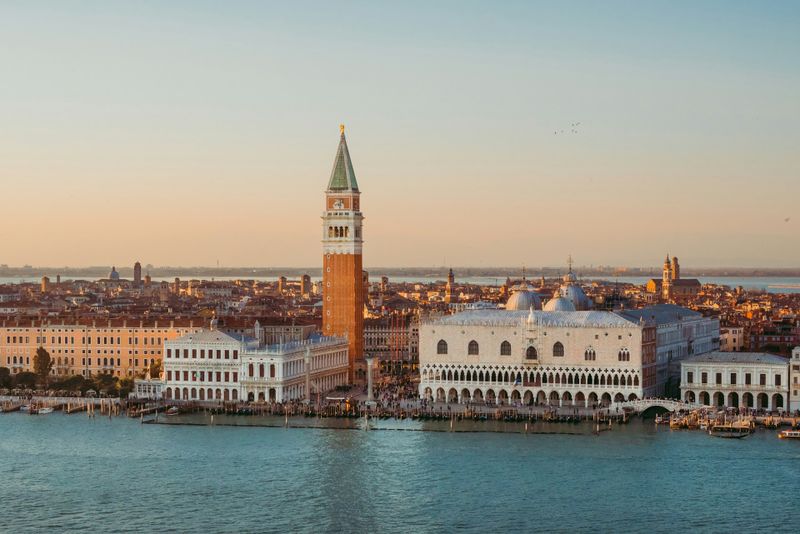
A new cost to visit this iconic city? Venice's new mayor proposes €50 entry fee.
Hey travellers, you may be bracing yourself for a new reality by the lagoon - could visiting Venice soon set you back up to €50?
Venice finds itself once again at the centre of the international debate on sustainable tourism - and it's all happening just a short while after the new mayor, Simone Venturini, took office. His proposal to hike the city's entry fee for day-trippers to as much as €50 during peak tourist periods has got everyone talking - here and around the world.
The proposal's a significant new step in Venice's ongoing efforts to tackle the problem of overtourism. This is one of the biggest hurdles that this lagoon city is facing - but the idea of raising the entry fee has got everyone talking and there are some really big questions now being asked about the future of this incredible destination.
So, Venice's new mayor proposes €50 entry fee? Discover everything you need to know in this news by Venice Insider Guide.
What's Changed with Venice's New Mayor and the €50 Entry Fee Proposal?
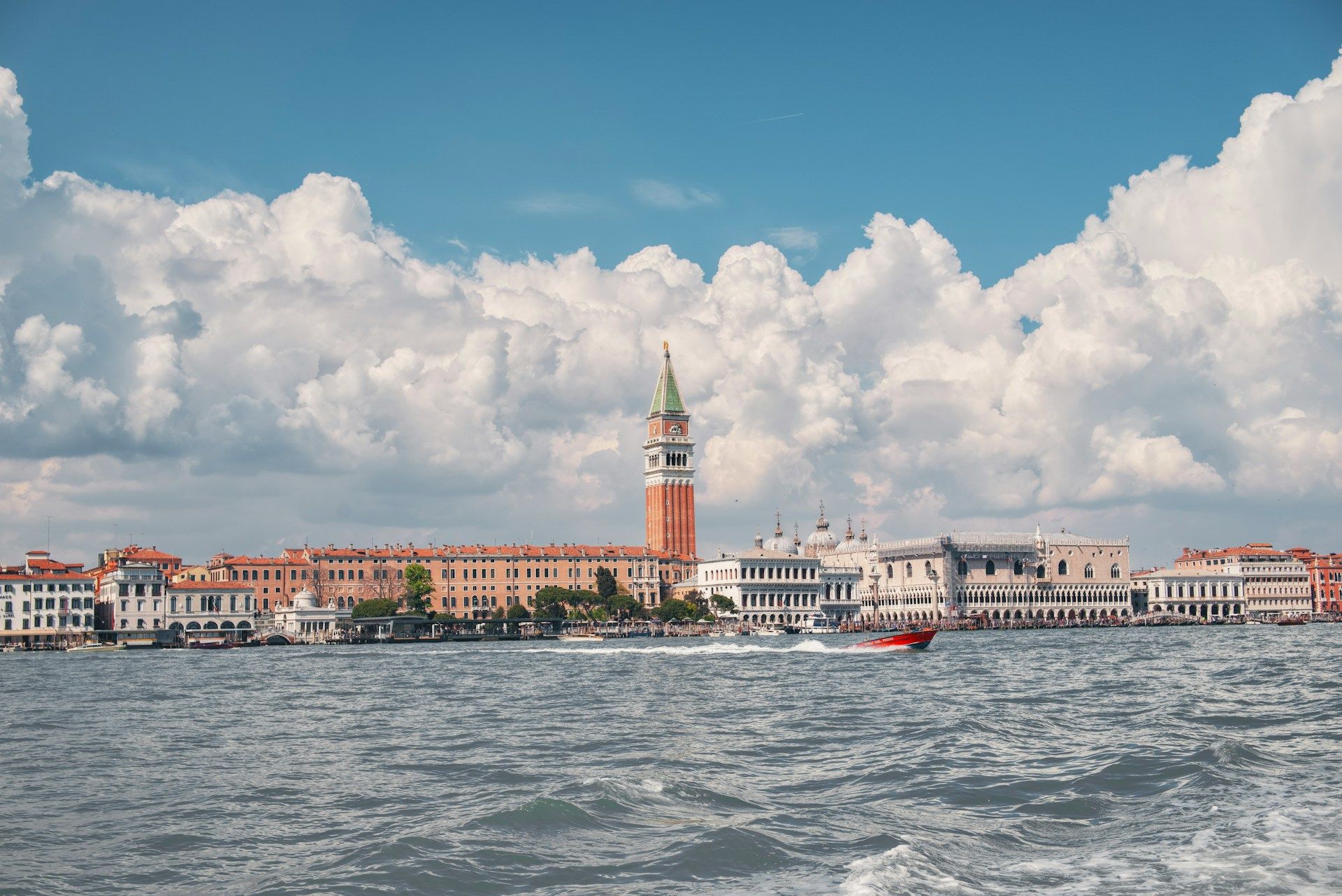
New mayor proposes €50 entry fee for visit Venice.
Currently, the access fee in Venice ranges from €5 to €10 for day visitors. The system was first introduced back in 2024 and then gradually rolled out over a few years. It only applies on selected high-traffic days.
During the election campaign, Mayor Venturini said the city was looking for permission from the Italian government to raise the fee to between €30 and €50 for really, really busy days. It would only apply on specific peak dates – not all year round.
City officials say the current difference between the €5 and €10 fee isn't enough to actually change tourist behaviour. They reckon a bigger increase could encourage visitors to spread their visits out over less busy periods rather than all flocking in on the busiest days.
So, why Venice's new mayor proposes €50 entry fee?
For years, Venice has been one of the world's most prominent examples of overtourism. During peak periods, the city can welcome tens of thousands of visitors per day, placing enormous pressure on public services, infrastructure, and the preservation of its historic and cultural heritage.
According to the new mayor, the issue is not tourism itself but rather the concentration of visitors on certain days at certain times. The higher entry fee would therefore serve as a demand-management tool designed to spread tourist arrivals more evenly throughout the year.
Revenue generated by the system could also help fund the maintenance and protection of Venice, and the money could help offset costs for residents and citizens in a city that faces substantial annual expenses tied to safeguarding its fragile urban and environmental ecosystem. The proposed increase aims to encourage overnight stays while discouraging day-trips.
How Venice’s Access Fee Currently Works
In 2026, Venice’s access fee applies on 60 days between April and July, mainly during the periods when visitor numbers are expected to be highest, and the current testing phase runs through summer 2026.
This entrance fee is enforced during peak hours from 8:30 AM to 4 PM.
Several categories remain exempt from the charge, including:
- Venice residents;
- Individuals born in Venice;
- Students;
- Workers commuting into the city;
- Overnight guests staying in Venice accommodations;
- Other categories covered by municipal regulations.
Visitors must reserve their day in Venice online, complete the payment if required, and obtain a QR code, which can be checked at key access points throughout the city. Less than half of tourists booked in advance this year. Those who fail to comply with the regulations may face fines ranging from €50 to €300.
Has the Entry Fee Been Effective?
This remains one of the most debated aspects of the program, with the access fee framed by some officials as an entry ticket.
Data collected so far suggests that the access fee has generated significant revenue for Venice. During its first year of operation, the scheme reportedly brought in approximately €2.4 million, exceeding initial expectations.
However, many observers argue that its impact on visitor numbers has been relatively limited. This perceived lack of effectiveness is one of the main reasons behind the new administration’s push for a much steeper fee structure, high enough that visitors may think twice before they pay.
Reactions: Support and Criticism
The proposal has quickly generated mixed reactions. Venturini, a centre right politician, has framed it as a way to better manage pressure from mass tourism.
Some hospitality and tourism industry representatives support the initiative, believing that a higher fee during peak periods could help distribute visitor flows more evenly and improve the overall tourism experience.
Critics, however, warn that a charge of up to €50 could make Venice significantly less accessible to travelers on tighter budgets. Others have raised legal and constitutional concerns, questioning whether such measures could conflict with principles related to freedom of movement.
Among residents, opinions remain divided. Similar debates emerged when the access fee was first introduced in 2024, with some local groups criticizing what they viewed as the “ticketing” of an entire city through a charge levied on each person.
What Does This Mean for Tourists Planning a Trip to Venice?
For now, visitors still pay under the current rules only on certain days.
Mayor Venturini’s proposal has not yet been implemented and would require approval from the Italian government, as it concerns a possible raise in the fee rather than an approved change.
Travelers planning to visit Venice in the coming months should continue to follow the current access fee rules.
Nevertheless, the discussion reflects a broader trend emerging across Europe. Many popular destinations are experimenting with new strategies to manage mass tourism, protect historic sites, improve residents’ quality of life, and promote more sustainable travel models.
New Mayor Wants to Charge €50 to Visit Venice - What does it Mean for the Future of Tourism in Venice
The idea behind Venice's New Mayor Proposes €50 Entry Fee got thrown out just under a month ago - soon after the new mayor got into office - and now it's being touted as one of the most significant things that's happened to Venice's tourism management in years.
If it gets approved though, Venice will be back to what it has been before - a place where the city is just the latest to try out anti-tourist ideas that might help cut down on the crowds, but could also make it harder for people to visit. And because it came from a contentious mayoral election, its also going to be a high-profile test for the citys ability to manage tourism, and we're already seeing that attracting the attention of city planners and tourist officials from all round the world.
The big question is - would a €50 entry fee really help to sort out the crowds or would it just create more debates about who can visit and who can't.
One thing that's certain though is that the conversation about Venice's future is still a long way from being over.
Stay tuned for more stories, travel news and insider tips on Venice - we'll be keeping you up to date with what's going on in the city.
Follow us Venice Insider Guide.