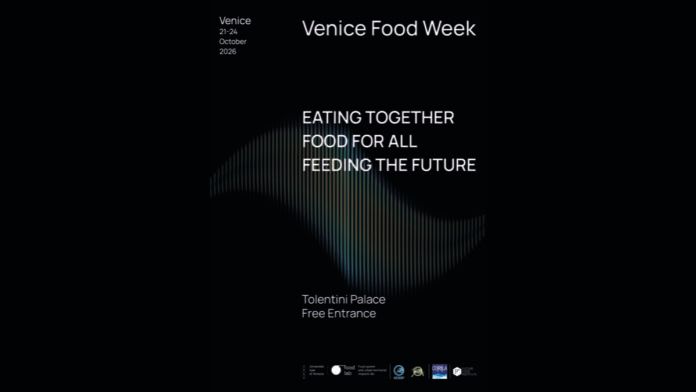
Hey travellers, Venice Food Week 2026 takes place from October 19 to October 24, 2026, transforming the lagoon city into a hub for food policy, culture, and climate action.
The event connects Venetian cuisine with global debates on the food system, from lagoon fisheries and the Mediterranean diet to food equity and low-carbon agriculture.
Most events are held at Università Iuav di Venezia – Tolentini, featuring an open public forum (October 19–21) and the 12th AESOP Sustainable Food Planning Conference (October 22–24). Global institutions participate including the FAO and the European Commission, alongside urban planners, chefs, citizens, and communities from over thirty countries. The event aims to contribute to a national food policy in Italy, highlighting how food choices shape climate, oceans, and the very existence of coastal cities like Venice.
Discover all information about Venice Food Week 2026, in this post by Venice Insider Guide.
What Is Venice Food Week 2026?
Imagine a city built on water - where centuries of trade, innovation, and geographic vulnerability have shaped one of the world's most distinctive food cultures. Venice Food Week 2026 turns this fragile, beautiful city into a living laboratory for rethinking how we eat, grow, and share food under climate stress.
The event is curated by the Iuav Food Lab in collaboration with CORILA and the Future Food Institute, and it brings together science, governance, and culinary heritage in a week of open conversation.
Venice Food Week 2026 emphasizes the relationship between food systems and urban sustainability, arrives in October with a dedicated programme that blends public engagement with academic rigour.
Venice Food Week 2026: Programme Highlights and Themes
The programme includes an open public forum and an academic sustainability conference, split across two segments. The open forum runs from October 19 to October 21, 2026, while the academic conference - the 12th AESOP Sustainable Food Planning Conference - occupies October 22–24 with researchers from over thirty countries.
Key topics include food as urban infrastructure and the Mediterranean diet, with events focusing on community and social connection through food.
Venice Food Week 2026: Food and the Venice Lagoon
Venice is a symbol in climate discourse due to rising sea levels. Its lagoon environment requires constant technological negotiation - Venice's MOSE flood barrier system took decades to complete, and sessions cover coastal defence systems and carbon reduction strategies during both.
Venice Food Week 2026 uses the lagoon as a living classroom. Venetian culinary traditions include lagoon-to-table gastronomy and à la carte dishes from local ingredients: think sarde in saor, risotto al nero di seppia, and seasonal lagoon vegetables. These recipes depend on specific ecological conditions now under pressure from acqua alta, water pollution, and invasive species like blue crabs in the nearby delta.
Experiencing Venice Food Week 2026: Events, Venues and Participants
The main venue is Università Iuav di Venezia – Tolentini in Santa Croce. This is the space where most panels, the academic conference, and public forums unfold. Panel discussions feature international climate scientists and urban planners, and participants include environmental researchers alongside civil society organisations and impact investors.
What went down at the Venice Food Week in 2026?
Monday October 19th:
The week kicked off in earnest with "Eating Together" sparking a discussion about what institutions are doing - or should be doing - to make a difference.
Tuesday:
"Food for All" took centre stage, tackling big questions about access to healthy & sustainable food - including the very real issues of food poverty, the Mediterranean diet, and those jumbo catering operations. One specific panel will be looking at school canteens, how tenders get awarded, and how we can reduce waste.
Wednesday:
And then "Feeding the Future" came along, exploring the connections between the Lagoon, the Mediterranean, fishing, biodiversity, local food producers and urban planning. We've got Veneto on board with researchers from Iuav, CORILA, ESU, plus local administrators from Cavallino-Treporti and the town hall of Vicenza putting their weight behind the initiative.
Why Venice Food Week 2026 Matters for the Future of the Food System
Venice Food Week 2026 is not just about celebrating food - it is a laboratory for rethinking the global food system under climate stress. The event aims to contribute to a national food policy in Italy, creating a roadmap that could shape how businesses, cities, and citizens engage with sustainable development goals around food, resilience, and responsibility.
Consider the numbers: local initiatives like "La mensa che non spreca" recover over 15,000 meals per year, and blast chillers installed in Marghera and Favaro Veneto schools have enabled preparation of approximately 24,000 meals for shelters and hospitality programmes. These are not abstract announcements - they represent the kind of action that connects policy to people's home kitchens and school canteens.
Workshops explore financing mechanisms for green transitions, and panels challenge attendees to choose how tomorrow's menus should look. One city's food week can ripple outward, offering a model for small and medium coastal cities worldwide to find their own way forward.
Planning Your Visit: Practical Information for Venice Food Week 2026
Venice Food Week 2026 follows months later from October 19 to October 24. The two are separate but thematically connected - attending both gives you a complete picture of the city's role in sustainable development and innovation.
Practical tips:
- Venue: Most events at Università Iuav di Venezia – Tolentini (Santa Croce). Panels typically begin around 10:00–10:15 in the morning.
- Tickets: Many public forum sessions are free with registration; the AESOP conference likely requires a fee. Check the official IUAV programme for updates.
- Language: Academic conference sessions operate primarily in English; public forum events may be in Italian or bilingual.
- Accessibility: Detailed accessibility information is pending - monitor official channels for updates on translation services and venue access.
Conclusion
So, Venice Food Week 2026 is important. The published programme emphasises panels, workshops, and policy discussions rather than culinary-festival-style tastings. However, local chefs and community dining initiatives are featured in panels, and future editions may expand into more hands-on culinary events.
The public forum panels are designed to be accessible and include topics like school canteens, surplus food recovery, and community dining. While the academic conference is more specialised, the open sessions offer a hands-on introduction to food, water, and climate topics that families and students can engage with meaningfully.
Follow us Venice Insider Guide!