
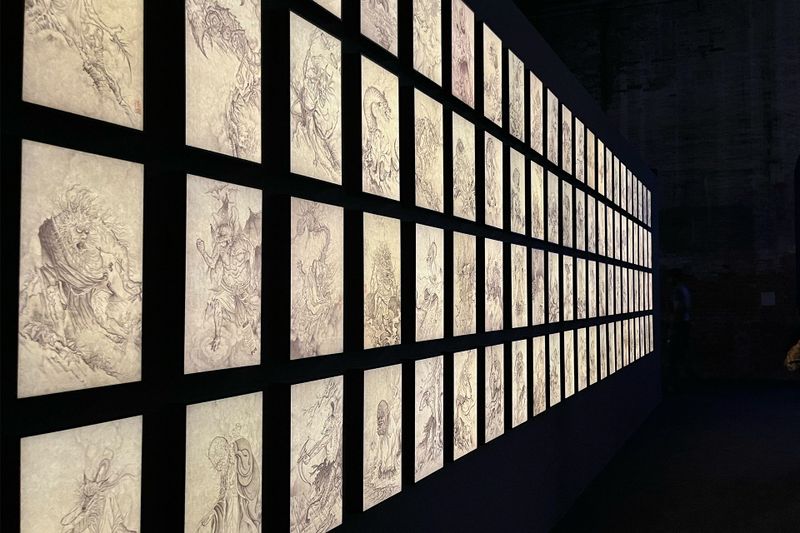
Hey travelers, the China Pavilion Venice Biennale 2026 brings one of the most ambitious intersections of tradition and technology the art world has seen in recent years. Titled "Dream Stream," the exhibition transforms a historic Arsenale warehouse into a flowing experience of ancient philosophy, AI, and contemporary artistic practice.
Here's (in this guide by Venice Insider Guide) everything you need to know before visiting. This article covers dates, location, images, curatorial vision, artists and works, links to earlier editions, practical visitor info, and a short FAQ.
China Pavilion Venice Biennale 2026: "Dream Stream"
The China Pavilion at the Venice Biennale 2026 is officially titled dream stream and forms part of the national participations at La Biennale di Venezia, running from May 9 to November 22, 2026.
The title of the China Pavilion Venice Biennale 2026 is Dream Stream.
The China Academy of Art and Curator Yu Xuhong play a central role in shaping the chinese pavilion's 2026 concept, featured artists, and research framework.
Biennale Arte 2026 brings together 100 national participations, with the China Pavilion Venice Biennale 2026 located in the Arsenale zone alongside other major exhibitions and collateral events.
The China Pavilion Biennale 2026
The 61st International Art Exhibition - Biennale Arte 2026 - runs across venice from May 9 through november 22, 2026, spanning the Giardini, Arsenale, and venues across the city centre. National pavilions remain the backbone of the event, with each country presenting its own pavilion and curatorial vision.
The China Pavilion's full title for 2026 is "Dream Stream," and it represents the official Chinese national participation at the Biennale. This distinguishes it from collateral events and independent Chinese artists exhibiting elsewhere in the city.
The Venice Biennale China Pavilion 2026 sits among 100 National Participations - 29 in Giardini, 25 at Arsenale, and 46 in city-centre venues.
The China Pavilion at the Venice Biennale 2026 showcases contemporary art and technology integration, reflecting how the contemporary art scene in china is evolving rapidly.
"Dream Stream": Title, Theme, and Curatorial Concept
The title draws directly from Shen Kuo's Dream Pool Essays (Mengxi Bitan), a Northern Song dynasty text that embodies Chinese intellectual curiosity across art, science, and nature. The pavilion uses Shen Kuo's "Dream Pool Essays" as conceptual inspiration, connecting tradition and innovation through a single metaphor: the stream.
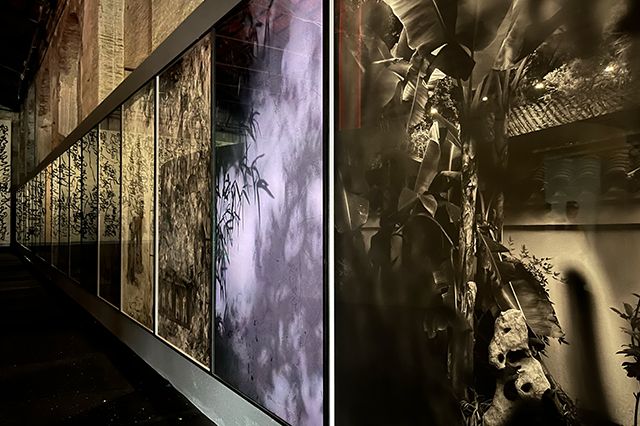
Key exhibits explore the intersection of AI, traditional arts, and contemporary techniques. The exhibition emphasizes the fusion of Eastern philosophy with digital culture - classical ink-painting traditions of mountains and rivers meet algorithmic data flows, generative visuals, and networked images.
The exhibition explores how traditional knowledge can be renewed through innovation without losing its roots.
The thematic narrative is structured around "E-seed, Highlight, and Symbiosis," three currents that guide visitors through the space:
- E-seed: cosmic imagination, digital origins, and algorithmic derivation
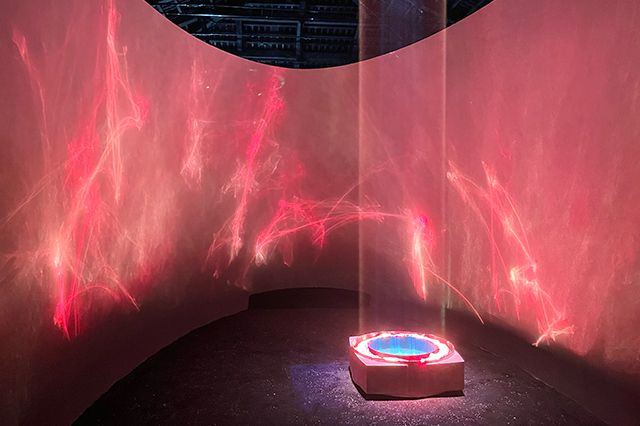
- Highlight: dynamic light installations drawing on heritage and science
- Symbiosis: harmony between humanity and nature, reflecting ecological and cultural coexistence
These sub-themes act as interpretive currents rather than rigid chapters, allowing each work to flow into the next. The exhibition connects to the Biennale's overarching theme, In Minor Keys, curated by Koyo Kouoh, by offering quiet resonance rather than overt spectacle.
Institutional Framework: China Academy of Art and Partners
The China Academy of Art (CAA) has emerged as the key institutional force behind the chinese pavilion 2026 in recent Venice Biennale editions. The exhibition is curated by Yu Xuhong, president of CAA and Director of its Art Museum. CAA coordinates curatorial research, artist selection, public programs, and academic publishing around "Dream Stream."
The China Pavilion Venice Biennale 2026 highlights collaboration among artists, scientists, and technology specialists. Key institutional partners include:
- China Arts and Entertainment Group (CAEG): commissioner of the pavilion
- Zhejiang Lab (Zhijiang Laboratory): the Zhijiang Laboratory team is featured in the pavilion, contributing to science-art installations like Liangzhu Highlight
- Contributors from zhejiang university and other research institutes: providing cross-disciplinary input spanning art, technology, and urban studies
This institutional support structure ensures the pavilion is more than a one-off showcase - it functions as a long-term research and exhibition platform. The China Pavilion Venice 2026 serves as a cultural dialogue platform between East and West, with reverence for both heritage scholarship and emerging digital practice.
China Pavilion Venice 2026: Location, Architecture, and Visitor Experience
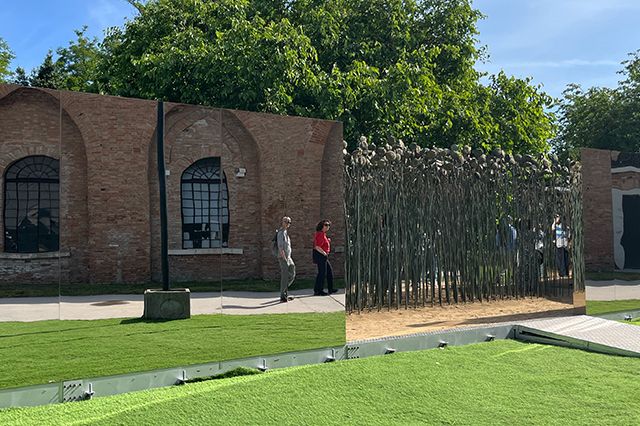
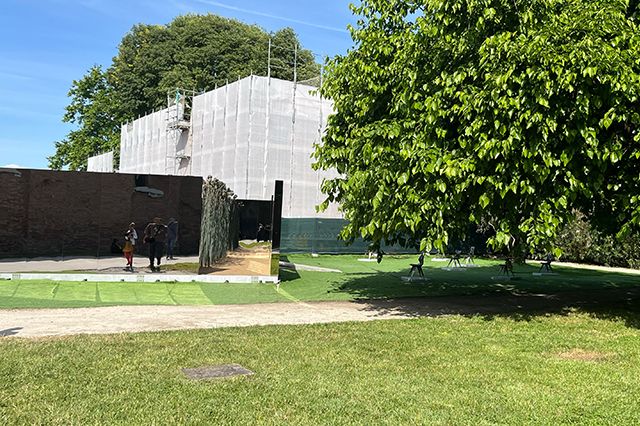
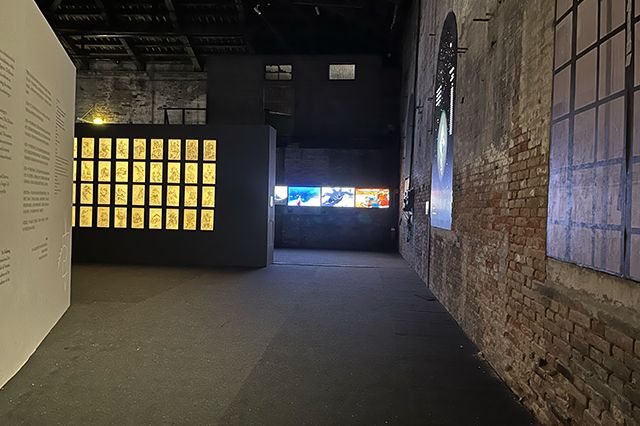
The China Pavilion Biennale 2026 is located at the Arsenale, specifically Magazzino delle Cisterne, Campo della Tana 2169/F, Castello, Venice. The venue's vaulted brick halls and long linear space allow for immersive installations, light projections, and spatial sequencing that reinforces the "stream" metaphor.
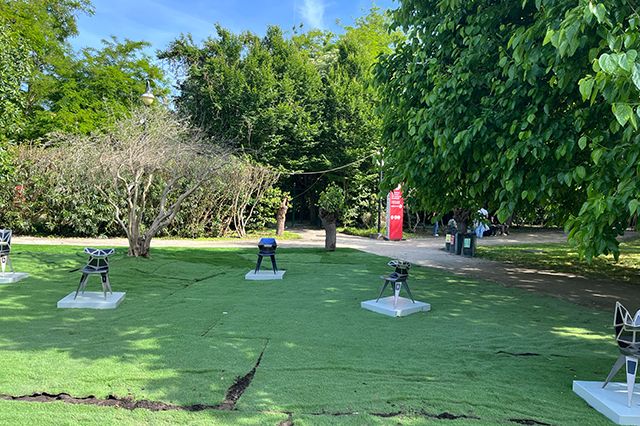
Visitors enter from the main Arsenale route and move through successive zones - dark light installations give way to video essay rooms, open outdoor sculpture, and interactive digital zones. Sound, light, and robotic performance heighten the sense of flow through the space.
Practical details:
- Hours (May-Sep): 11:00-19:00 daily; until 20:00 Fri/sat
- Hours (Oct-Nov): 10:00-18:00
- Ticket: full €30 (includes all Arsenale + Giardini); reducted €20 (over 65, Venice residents) - €16 (students/under 26)
- Closed: Mondays (except select dates)
No separate fee is required for the China Pavilion Venice Biennale 2026 - a general Biennale ticket covers access. Consider combining your visit with nearby pavilions in the Arsenale, including Korea and Turkey, to make the most of your time in that place.
Artists, Works, and "Minor Keys" of Contemporary Chinese Art
The China Pavilion Venice Biennale 2026 foregrounds a mix of emerging and established artists working across video, installation, sculpture, calligraphy, and digital media. The idea of Minor Keys runs through the selection - not grand national narratives but intimate, experimental voices within the contemporary art scene.
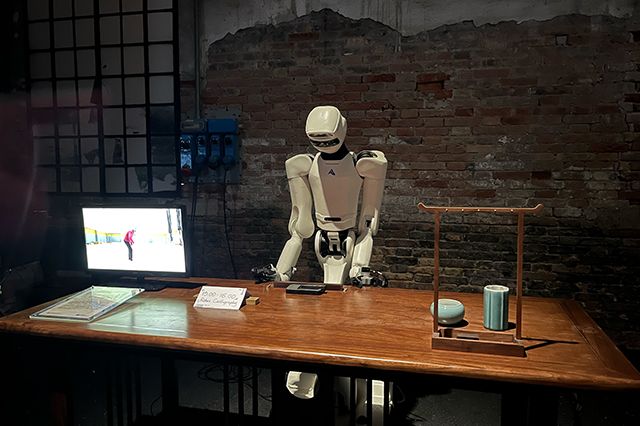
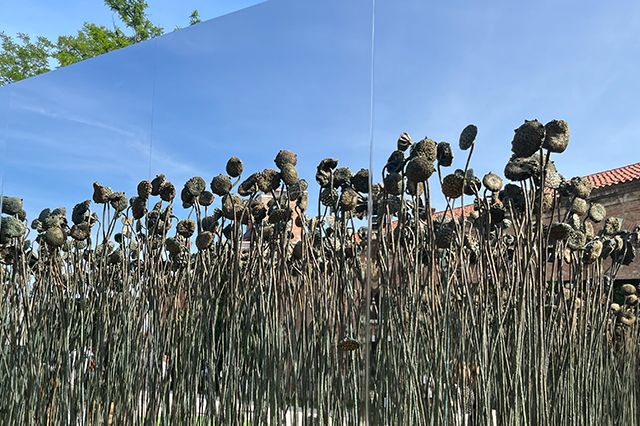
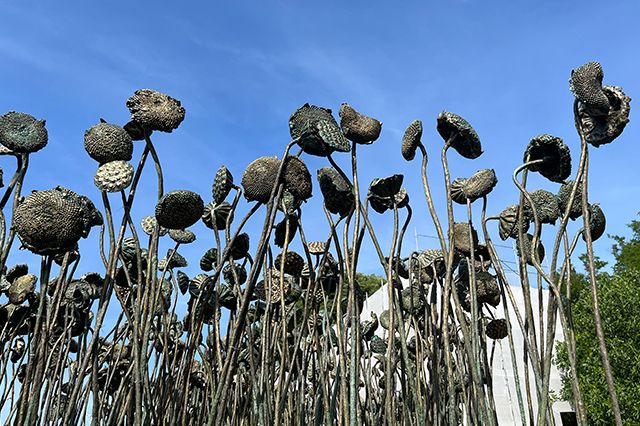
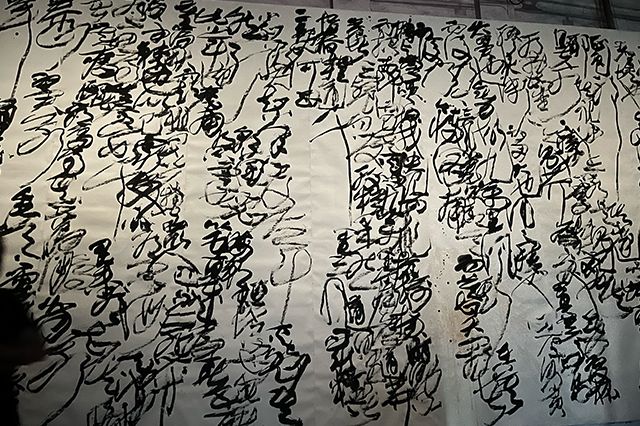
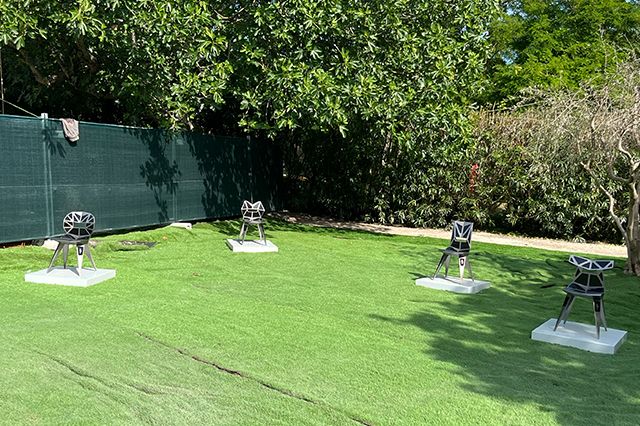
Xu Jiang is a featured artist in the China Pavilion Venice 2026, contributing the outdoor sculpture Symbiosis, intertwining sunflower and lotus flowers in a piece about ecological harmony. wang dongling is among the featured artists, presenting cursive script Free and Easy Wandering alongside a robot co-writing the characters "Dream Stream" - an act where technology meets craft. Yang Fudong is a leading figure in the exhibition, showing Solitary Hill and Plantain Rain, a 20-panel intermedia scroll combining painting and film that invokes classical landscape with deliberate pause and blank space.
Other highlights include:
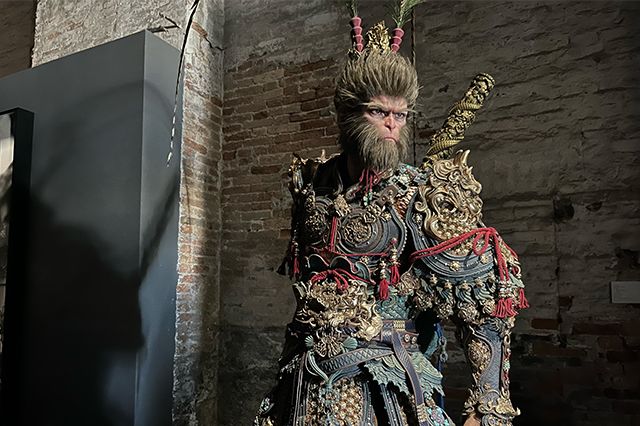
- Game Science: the studio behind Black Myth: Wukong debuts sculpture and video work on an international art platform for the first time
- "2027 Shen Kuo": a large-scale installation modeled on the traditional long handscroll form, created by the Method Scenography Group team
- Liangzhu Highlight: a spatial light installation by Zheng Jing, Wu Junyong, and teams from Zhejiang Lab, gathering dynamic light from high above
The exhibition intends to showcase how culture can remain generative amid technology, touching on urbanization, ecological fragility, memory of waterways, and digital life without turning into didactic messaging.
China Pavilion Venice Biennale 2026 and Collateral Events
Slotted right into the midst of Biennale Arte 2026's 100 national pavilions is the China Pavilion 2026, situated alongside other Asian pavilions and making way for the Venice debut of "Art in the Global Flow" from Vietnam, while Qatar and other regions pitch in to add some welcome diversity to the global show.
But why does it matter? Its the distinction between national pavilions and collateral events - that's all - yet the difference is a big one.
The China Pavilion Venice Biennale 2026 is the official deal, while various collateral events popping up across the city will be featuring China-related projects, and visitors can actually plan a thematic route which starts at the Arsenale China Pavilion 2026, then moves on to look at collateral events whose themes align with waterways, migration or digital culture - taking the "Dream Stream" metaphor from the national display and stretching it way out across the map, onto Venice's broader cultural landscape.
FAQ: China Pavilion, Venice Biennale 2026
We're going to cover some of the bits that we didn't cover above.
Where is this "Dream Stream" thing on in Venice?
The China Pavilion Biennale 2026 is in the Arsenale - go to Magazzino delle Cisterne, Campo della Tana 2169/F, Castello, Venice. You can get there through the main Arsenale entrance at Campo della Tana or via Ponte dei Pensieri (Salizada Streta). Its on the standard Arsenale visitor route.
Do I need a ticket to get into the China Pavilion at the Venice Biennale 2026?
It's all included in the ticket for the Venice Biennale, which covers Giardini and Arsenale venues. No separate ticket needed for the China Pavilion Biennale 2026. The full price ticket is €30 - students get one for €16, and seniors or Venice residents get one for €20.
How is "Dream Stream" different from "The Perfect Road" in 2024?
"The Perfect Road" was all about geographically based on Hangzhou, the Silk Road and historical trade routes. "Dream Stream" shifts to a more imaginal, internal flow - digital-physical hybrids, philosophical metaphors drawn from Shen Kuo's writings, and algorithmic visuality. The curatorial tone is more of a whisper - quieter and more poetic, reflecting on how tradition adapts in a world of technology.
Whats the difference between the China Pavilion and Chinese collateral events?
The China Pavilion Biennale 2026 is the official national participation - the Ministry of Culture and Tourism is backing it, and China Arts and Entertainment Group have commissioned it. Collateral events are independently organised projects that get official recognition from La Biennale di Venezia, but they're not national representations. You can expect to see several China-related collateral events scattered across the Venice city centre during the 2026 edition.
How do I keep up with what's going on with "Dream Stream"?
Check the official China Academy of Art website, and the La Biennale di Venezia site, for the latest news. Artist studios and press releases on PRNewswire are also a good place to look for up-to-date information - in case some of the works or public programs change during the run of the show through November 2026.
Conclusion: reviews
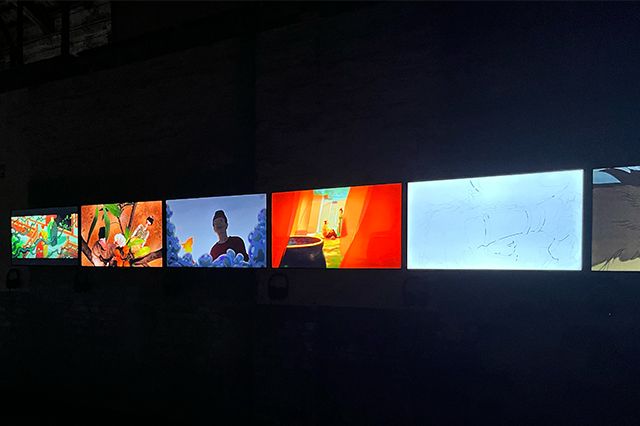
Our review of the China Pavilion Venice Biennale 2026 is truly excellent. As you step inside, you can feel the atmosphere of new technology blended with culture. When you step outside, the mirrored sunflower-like structures create a whole new world.
The Venice Biennale explains it well this way: "The title Dream Stream originates from the Eastern wisdom of “investigating underlying principles through the observation of phenomena” and “the unity of heaven and humanity”, which are embodied in the Dream Stream Essays by Shen Kuo of the Northern Song dynasty. (...) How to renew tradition through innovation, and how to integrate art with science and technology, is the wager of this exhibition."
Follow us Venice Insider Guide!
- The photos in this article about China Pavilion Biennale 2026 are the property of Venice Insider Guide.