
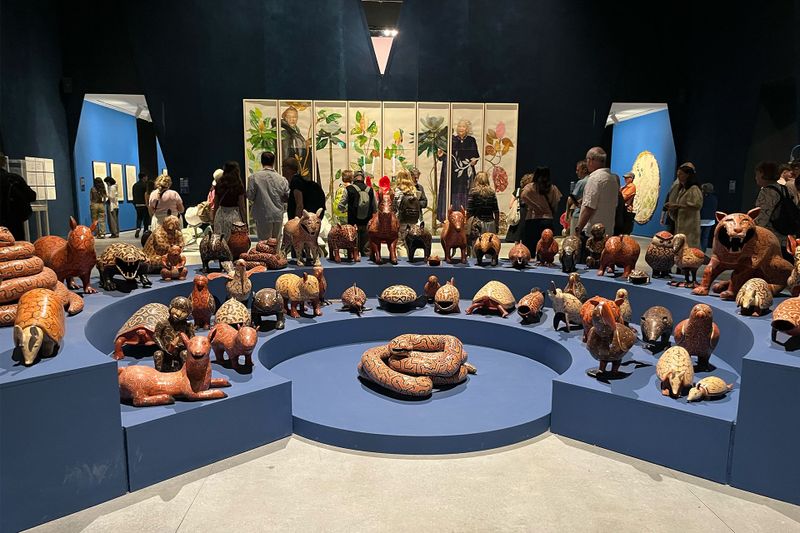
Hey lovers of the art and Venice, in this guide by Venice Insider Guide, we’ll give you all the practical information and provide you with photos of the Central Pavilion Venice Biennale 2026 that we took ourselves on site.
The Central Pavilion is located in Giardini della Biennale, and it serves as the heart and anchor of the Venice Biennale. For the 61st International Art Exhibition, titled "In Minor Keys," running from its opening on May 9, 2026 through November 22, the Giardini Central Pavilion holds the curatorial core of the entire show.
This article focuses exclusively on the Central Pavilion Biennale 2026-not the Arsenale, not any of the 29 permanent national pavilions in Giardini, and not the collateral events scattered across the city.
Let's find out: discover everything you need to know about artists Central Pavilion Venice Biennale 2026.
Introduction: Central Pavilion Venice Biennale 2026
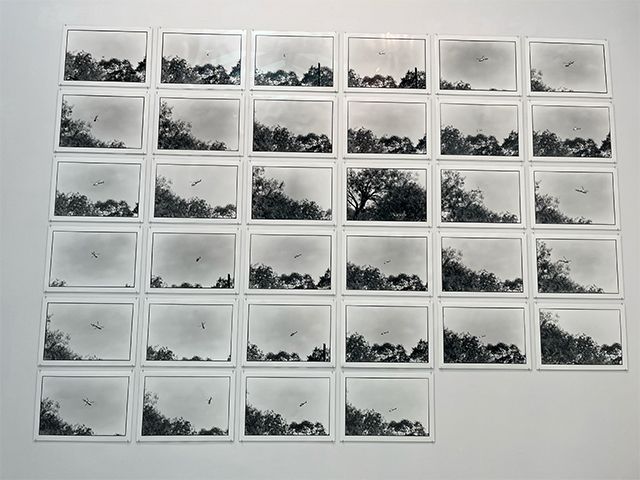
The Central Pavilion was commissioned in 1894 and hosted the first Biennale in 1895. It became the Italian Pavilion in 1932, and has since accumulated layers of architectural history. The Giardini houses pavilions built by various countries over decades, with the first national pavilion built by Belgium in 1907. Countries without pavilions exhibit in other venues across Venice, and the United States pavilion is managed by the Peggy Guggenheim Collection. But the Central Pavilion remains the venue where the artistic director's curatorial vision is most concentrated.
The 2026 exhibition was conceived by curator Koyo Kouoh, who selected all 110 invited participants from various regions before her passing in 2025. The show was realized posthumously by La Biennale di Venezia and her appointed team of advisors. In Minor Keys uses a musical metaphor to address emotional depths and quiet engagement, and the renovated Central Pavilion-spanning approximately 5,450 square meters and reopened in 2026-is where that metaphor resonates most powerfully. The pavilion includes thematic motifs such as shrines, processions, and oases, and the exhibition emphasizes intimacy, resilience, and reflective engagement. It focuses on collective memory, cultural connections, and quiet artistic expressions.
This guide helps you understand which artists and rooms to prioritize, ranking standout installations based on impact, accessibility, and relevance to the exhibition's themes.
How We Chose the Standout Best Artists Central Pavilion Biennale 2026
Among the 110 participants in the international exhibition, this section filters down to individual artists whose works appear specifically in the Central Pavilion. Rather than a generic "best of" list, these selections reflect criteria adapted to the exhibition of the artists Central Pavilion Biennale 2026 spaces and Koyo Kouoh's curatorial:
- Relevance to core motifs. How directly does the work engage with the key themes of Biennale Arte 2026: shrines, procession, schools, rest, and the emphasis on rest and contemplation?
- Spatial centrality. How prominently does the work feature within Sala Chini, Sala Brenno del Giudice, or other major galleries of the pavilion?
- Innovation in medium and spatial use. Does the artist push beyond convention in how they engage with the renovated building envelope, the new skylights, the indigo thresholds, or the X LAM panels of the redesigned space?
- Emotional and intellectual impact. What do early curatorial texts and critical commentary say about how the work lands?
- Clarity and accessibility. Can a non-specialist visitor find an entry point, while experts still discover depth?
- Contribution to underrepresented histories. Does the work bring forward many geographies, cosmologies, or "minor" voices that the exhibition is dedicated to amplifying?
The art design encourages visitors to experience art through senses rather than intellect. Only artists located in the Central Pavilion Venice 2026 are discussed below; those shown solely in the Arsenale, Forte Marghera, or other biennale venues are excluded.
10 Best Artists Central Pavilion Biennale 2026 you can't miss
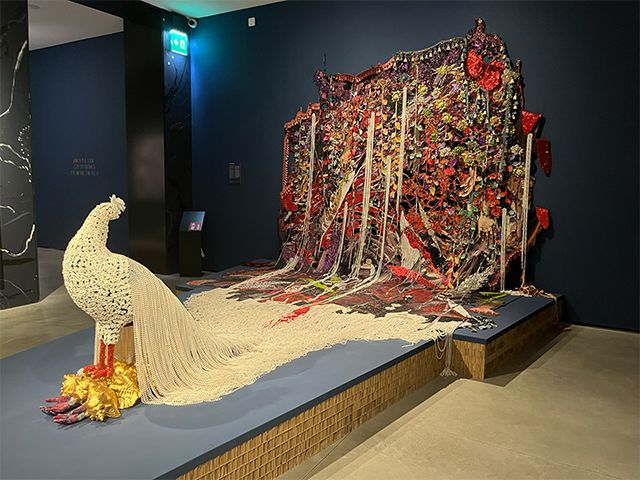
This section profiles a carefully selected group of artists Central Pavilion Biennale 2026 whose works best embody the spirit of "In Minor Keys." They are ordered for thematic coherence, not as a competition for the Golden Lion or any other award.
After exploring the Arsenale, it is time to head to the Giardini della Biennale and visit the Central Pavilion, one of the most important historic exhibition spaces in Venice.
Here, the selection of best artists Central Pavilion Venice Art Biennale 2026 focuses on themes such as identity, memory, cultural heritage, social relationships and the transformation of artistic traditions.
The artworks at the Central Pavilion Biennale 2026 offer a particularly interesting experience for visitors who want to explore the connections between history, culture and contemporary life. The variety of techniques allows visitors to move from painting to sculpture, from drawing to sound installations.
Here are some of the Venice Biennale 2026 artists Central Pavilion you should not miss during your visit to the Giardini.
1. Issa Samb Biennale 2026 – Foundational "Shrine" at Sala Chini
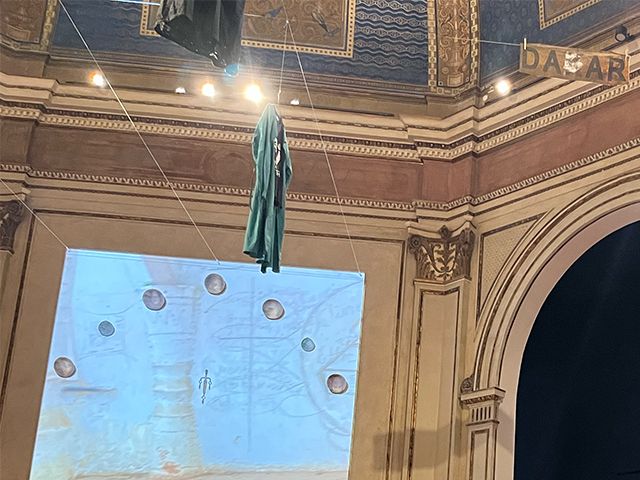
Issa Samb (Senegalese, 1945–2017) is a defining presence in the Central Pavilion's "Shrines" constellation. Through decades of work rooted in Dakar's Laboratoire Agit'Art, Samb blurred the boundaries between sculpture, performance, and everyday materials. In this exhibition, fragments referencing his legendary courtyard-studio La Cour are distributed throughout Sala Chini and adjacent spaces-not as a monographic retrospective, but as an imprint, a spiritual architecture woven into the building itself.
Why This Installation Stands Out
Samb's shrine-like installation sets the tone for the entire Central Pavilion experience. It manifests the idea of a spiritual, social, and political undercurrent that guides visitors through later rooms. Sala Chini-the octagonal hall under the Galileo Chini dome-has been repositioned not as a pass-through but as the radiant core of the pavilion.
Best For
Visitors interested in decolonial histories, performance legacies, or expanded notions of sculpture. First-time Biennale visitors should start here to grasp the pavilion's conceptual grounding.
Key Strengths
- Activates Sala Chini as an intimate sanctuary within the monumental architecture
- Uses modest, found materials to articulate complex histories of resistance and community-making
- Bridges archival memory with live presence in the room
- Functions as a touchstone you can return to as you navigate other spaces
2. Alvaro Barrington Biennale 2026 – Processional Thresholds in the Central Pavilion
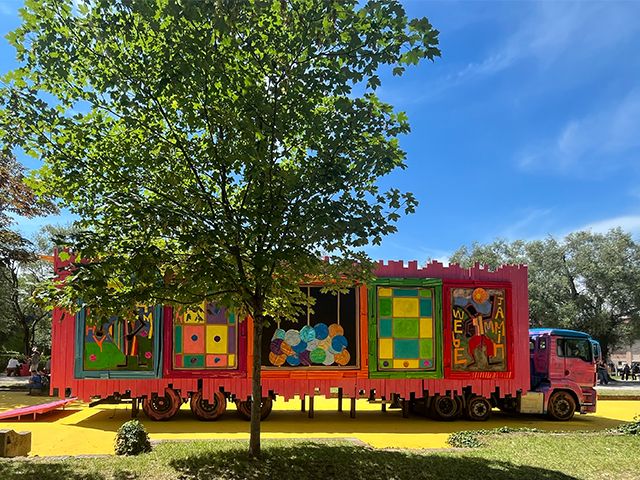
Among the most interesting names at the Central Pavilion is Alvaro Barrington (1983), an artist born in Caracas and based in London.
His practice combines painting, sculpture, textiles and references to popular culture, creating a visual language characterised by cultural influences and material experimentation.
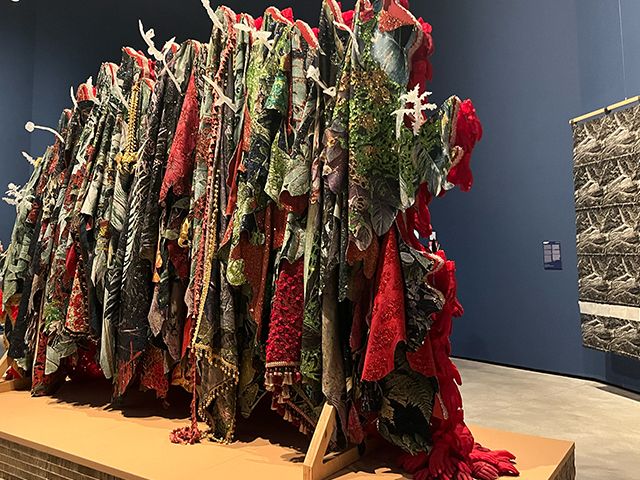
At the Biennale, he presents Labor Day Parade ’91, an installation inspired by memories of Brooklyn's West Indian Day Parade, a celebration of Caribbean culture and diaspora communities.
The artwork combines a truck decorated with painted Kuba tapestries, metal elements, figurines and a winged sculpture made from ropes. The composition evokes the movement of popular celebrations and the vitality of Caribbean traditions.
Barrington transforms personal memories, cultural references and art history into a project about identity, belonging and freedom of expression.
Alvaro Barrington animates the Central Pavilion's motif of procession and Afro-Atlantic carnival sensibilities. His mixed-media paintings, sculptural hangings, and textile-based works occupy a key corridor, channeling movement and rhythm through dense symbolism and bold color.
Why This Installation Stands Out
Barrington's use of texture, textiles, and layered materials embodies the pavilion's call for active, bodily engagement. His work interacts directly with the indigo thresholds and scenography designed for "In Minor Keys," creating a gateway between contemplative shrine rooms and more dynamic, processional exhibition spaces.
Best For
Audiences who appreciate bold color, hybrid materials, and references to music, carnival, and diasporic celebration. A natural transition point in your route through the pavilion.
Key Strengths
- Immersive atmosphere encouraging movement rather than static viewing
- Connections to Caribbean and London-based cultural scenes enrich the pavilion's transnational scope
- Photogenic installations that retain conceptual rigor
3. Kambui Olujimi Biennale 2026 – Bodies in Procession
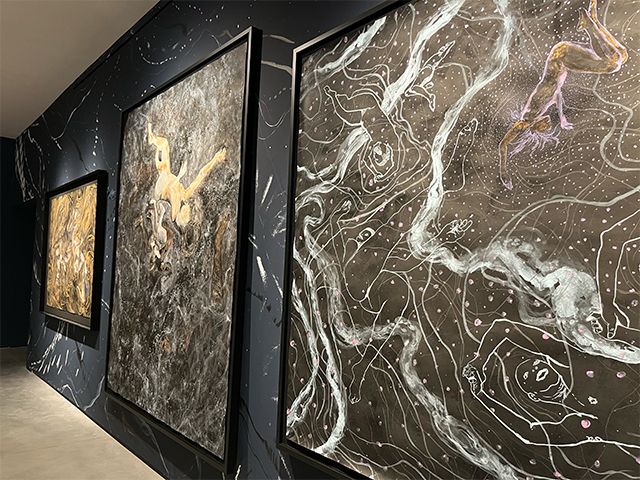
Olujimi intensify the "Procession" motif within the Central Pavilion, engaging with movement, collective action, and haunted landscapes. Their works stage bodies in various states of displacement, gathering, and protest, contributing to the pavilion's overarching choreography of movement between rooms.
Why These Installations Stand Out
Both artists physically choreograph visitor movement through sculptural, mural, and time-based elements. Their work makes you feel like part of a larger procession-an effect that extends the spatial clarity of the pavilion's design into emotional territory. These are special projects that repay attention during quieter hours.
Best For
Visitors interested in socially engaged practices, contemporary African and African-diasporic art, and the politics of public space.
Key Strengths
- Strong narrative pull that makes visitors feel part of a collective movement
- Fragmented figures, fabric, and ephemeral materials evoke vulnerability and resilience
- Clear contribution to the pavilion's processional route
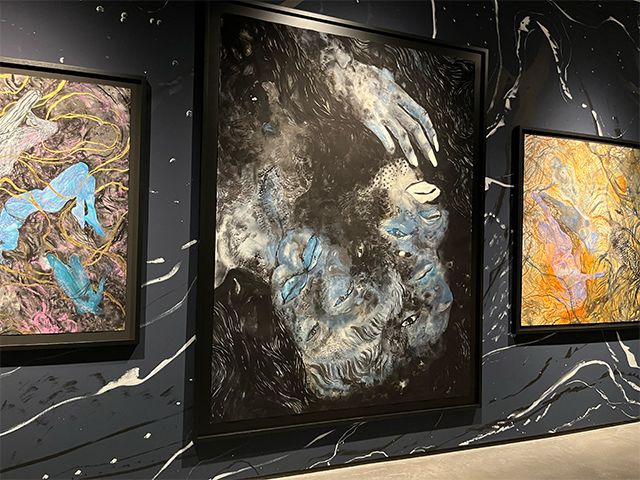
4. Ebony G. Patterson Biennale 2026 – Gardens of Rest and Ornamental Grief
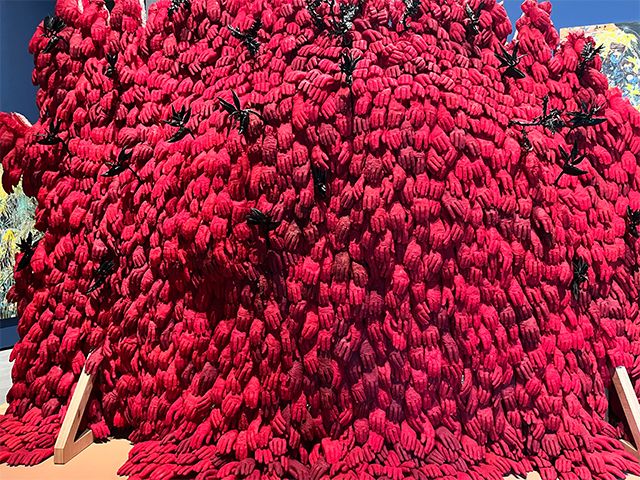
Patterson's Central Pavilion installation is a key articulation of the "Rest" motif. Lush, garden-like environments are haunted by violence and loss, rendered through dim lighting, reflective surfaces, and an abundance of floral motifs. The visual arts on display here are both seductive and unsettling.
Why This Installation Stands Out
Patterson uses decorative surfaces as strategy-drawing viewers through beauty into narratives of Black life, mourning, and survival. The installation resonates with the pavilion's emphasis on rest as both refuge and political demand, making it one of the most emotionally immediate rooms in the Central Pavilion.
Best For
Audiences drawn to immersive, highly detailed installations and contemporary Caribbean visual culture. An essential stop for those wanting the pavilion's multisensory dimension.
Key Strengths
- Rich visual language rewarding close looking and repeated visits
- Subtle interplay between beauty, danger, and memorialization
- Strong appeal without compromising depth
5. Sammy Baloji Biennale 2026: Colonial Memory and African Heritage
Another artist to look for is Sammy Baloji (1978), born in Lubumbashi and working between the Democratic Republic of the Congo and Brussels.
His research focuses on Congolese history, the consequences of colonialism and the relationship between the exploitation of natural resources and African cultural heritage.
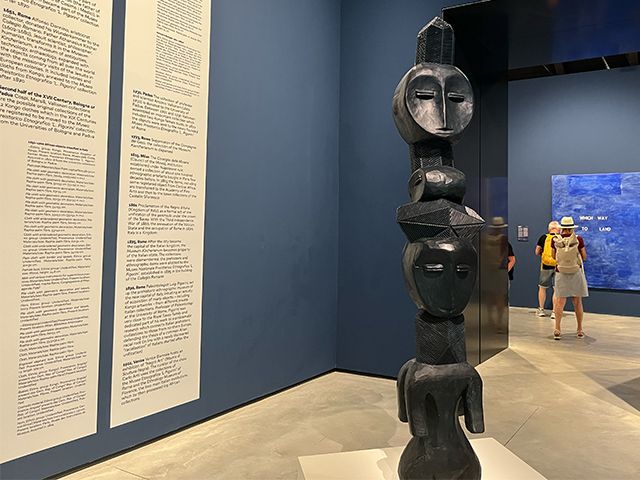
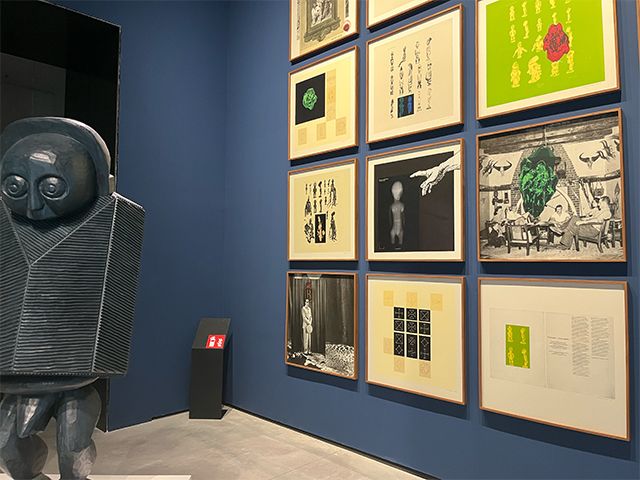
For the 2026 Biennale, he presents three sculptures and sixteen collages, created through a process of reworking Congolese artefacts and images from museum collections.
One distinctive element of the project is the use of cubic forms inspired by the crystalline structure of uranium. These forms are integrated into the sculptures, introducing references to mining, radioactivity and the consequences of industrial and military activities.
The artist reflects on the removal of cultural objects from their original contexts and the need to recover the stories that often remain hidden behind museum collections.
Why see him: His work offers an opportunity to explore the relationship between art, history and memory, addressing issues that remain central to international cultural debate.
6. Pio Abad Biennale 2026: Objects, History and Cultural Memory
Pio Abad (1983), born in Manila and based in London, is another artist to include in your selection of the best artists at the 2026 Biennale.
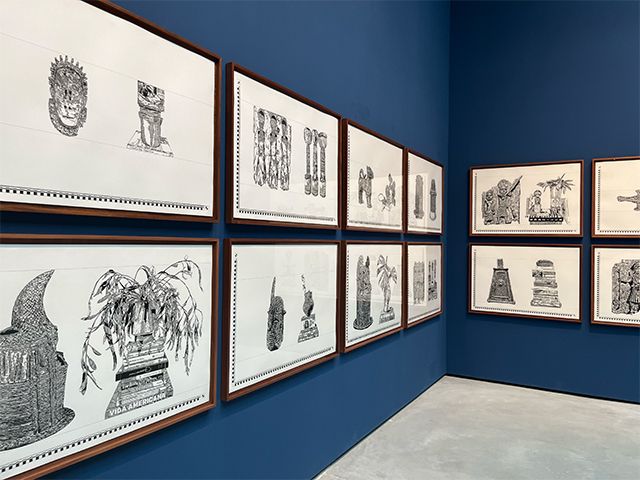
His artistic practice primarily uses drawing to tell the stories of objects removed during colonialism and bring to light the cultural histories associated with them.
At the Central Pavilion, he presents the ink drawing series 1897.76.36.18.6, developed between 2023 and 2026. The works connect Benin Bronzes held at the British Museum with similarly sized objects from the artist's domestic environment.
The result is a comparison between museum heritage and personal memory, giving these objects a more everyday and human dimension.
Another significant work is I am singing a song that can only be borne after losing a country, in which the artist reflects on cultural loss and histories of dispossession.
Why see him: This is an important stop for anyone interested in understanding how drawing can become a tool for historical research, political reflection and the recovery of memory.
7. Seyni Awa Camara Biennale 2026: Ceramics as a Story of Tradition
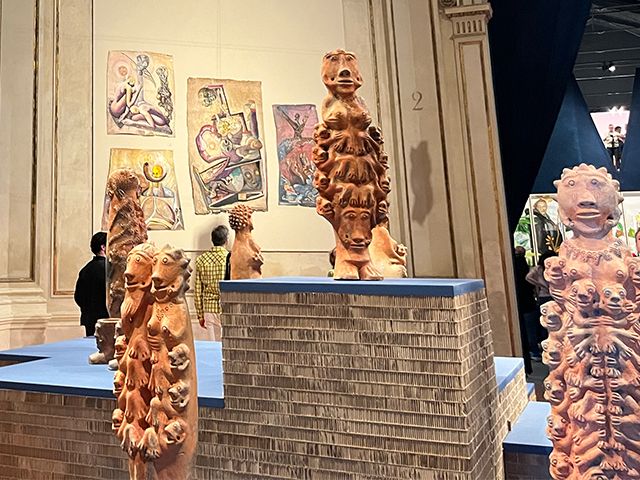
Among the most interesting artists at the Central Pavilion is Seyni Awa Camara (1945–2026), from the Casamance region of Senegal.
Her artistic production is deeply connected to the family tradition of working with clay. She learned the technique from her mother during childhood and gradually developed a personal language characterised by hybrid figures, fantastic creatures and compositions that move between the animal and human worlds.
Her works emerge from a close relationship with the earth and the cultural traditions of her community. The figures seem to belong simultaneously to reality and to an imaginary universe of dreams, symbols and spiritual references.
Her presence also has particular significance in this edition, considering her death in 2026.
Why see her: Her ceramics demonstrate the importance of passing traditional knowledge from one generation to another and show how an artisanal technique can become a universal artistic language.
8. Sabian Baumann Biennale 2026: Bodies, Relationships and Imagination
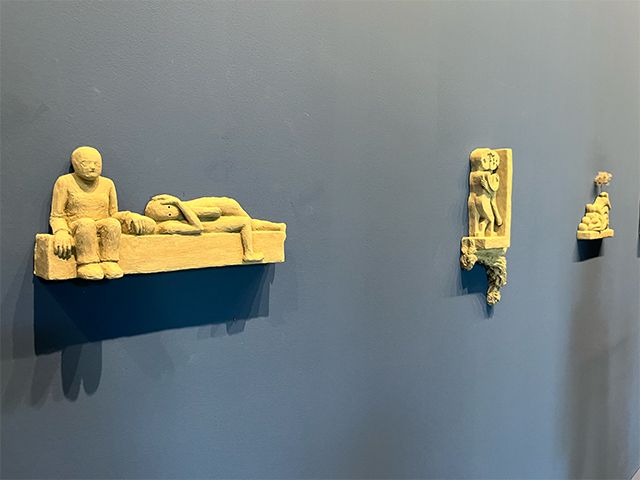
Another name to discover is Sabian Baumann (1962), a Swiss artist based in Zurich.
His practice includes drawing, sculpture, cinema, installations and collaborative projects. At the centre of his research are the relationship between individuals and communities, the vulnerability of bodies and the possibility of creating new forms of connection.
Among the works presented at the Central Pavilion is nature (presque) mort, a series of drawings exploring loss and transformation.
His production combines visual elements reminiscent of scientific illustration, comics and children's books. Behind an apparently playful aesthetic are deeper reflections on vulnerability, destruction and hope.
His sculptural research also includes the use of unfired clay, a material that evokes impermanence and the possibility of an artwork returning to the earth.
Why see him: He is an artist worth observing for his ability to combine imagination, technical experimentation and reflection on human relationships.
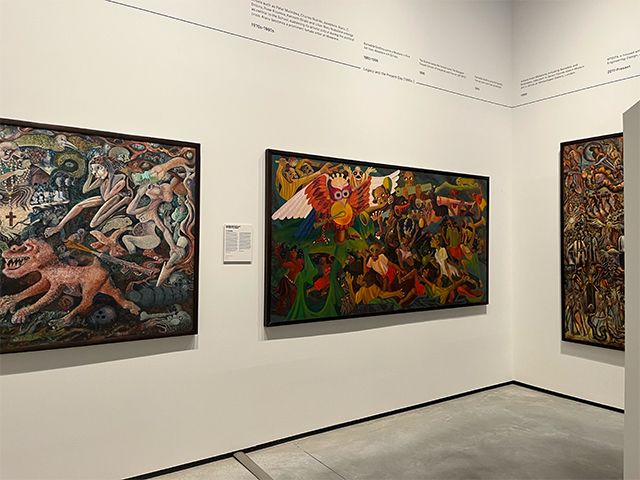
9. Edouard Duval-Carrié Biennale 2026: Caribbean Imagery and Historical Memory
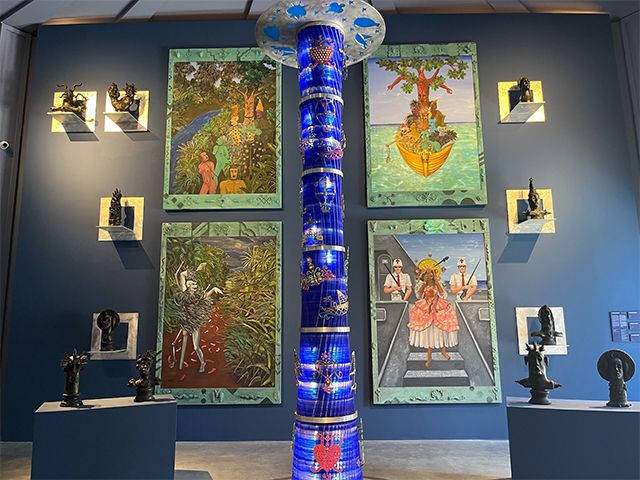
Another artist at the Central Pavilion Biennale 2026 to discover is Edouard Duval-Carrié (1954), born in Port-au-Prince and based in Miami.
His artistic research is strongly connected to Haiti's history, Caribbean culture and Afro-Atlantic traditions. Through painting, sculpture and installation, he creates a rich visual world filled with historical, symbolic and mythological references.
His work encourages reflection on the relationships between memory, identity and colonial history, highlighting the cultural narratives that have helped shape the Caribbean world.
Why see him: He offers an interesting perspective on how cultural traditions and collective memories can become tools for interpreting the present.
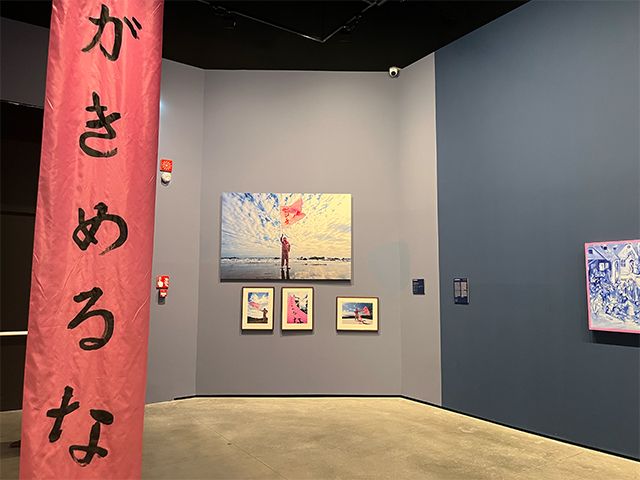
10. Alexa Kumiko Hatanaka Biennale 2026: Experimentation and Cultural Identity
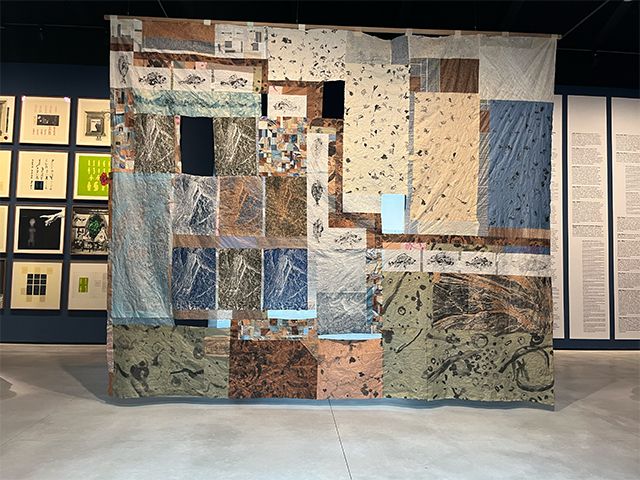
Among the artists to look for at the Central Pavilion Venice Biennale 2026 is Alexa Kumiko Hatanaka (1988), whose artistic research spans different techniques and materials.
Her work combines visual languages and creative processes that bring identity, tradition and contemporary experimentation into dialogue.
Her presence enriches the selection of artists at the 2026 Biennale, contributing to the variety of cultural perspectives that characterises In Minor Keys.
Why see her: She offers an interesting opportunity to explore an artistic practice that brings different cultural references and forms of expression together.
Other Top Artists Central Pavilion Biennale 2026
The Central Pavilion Biennale 2026 selection also includes other figures who contribute to the richness of the exhibition. Here's the photos:
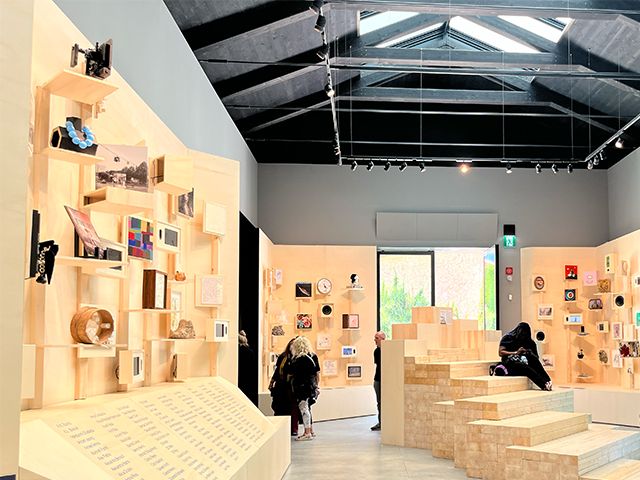
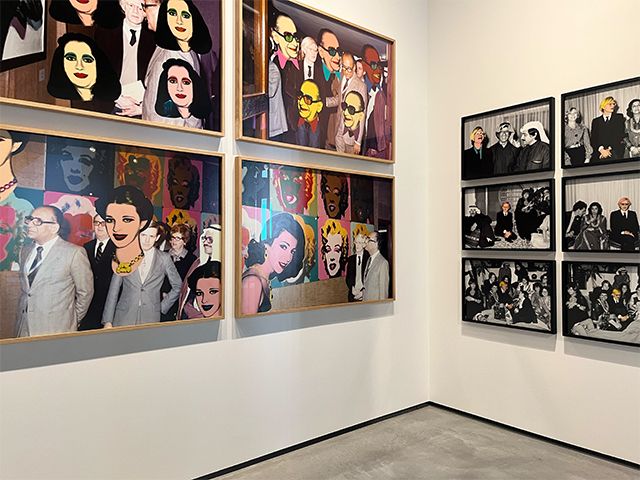
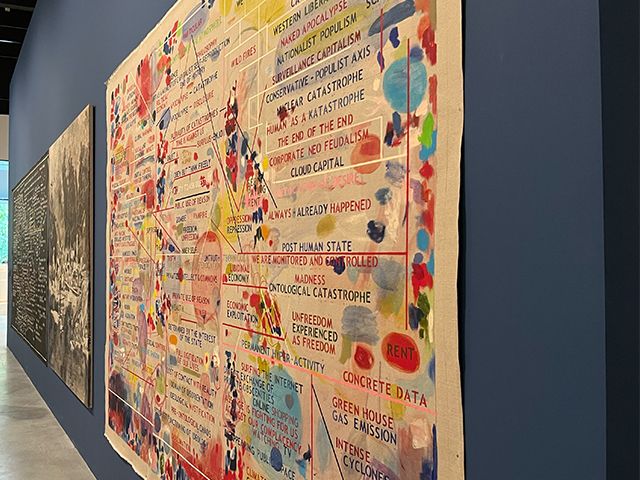
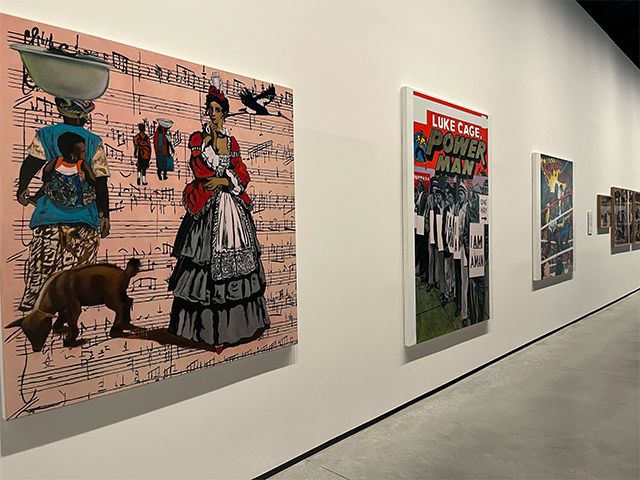
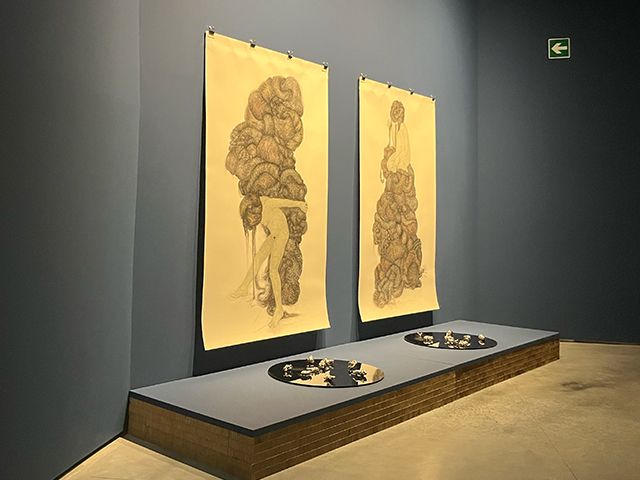
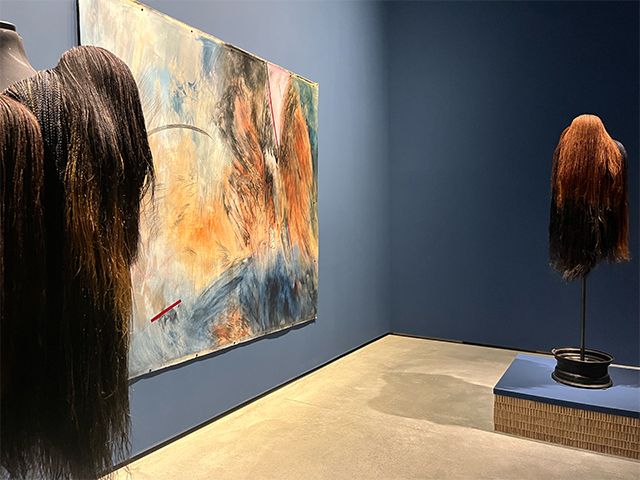
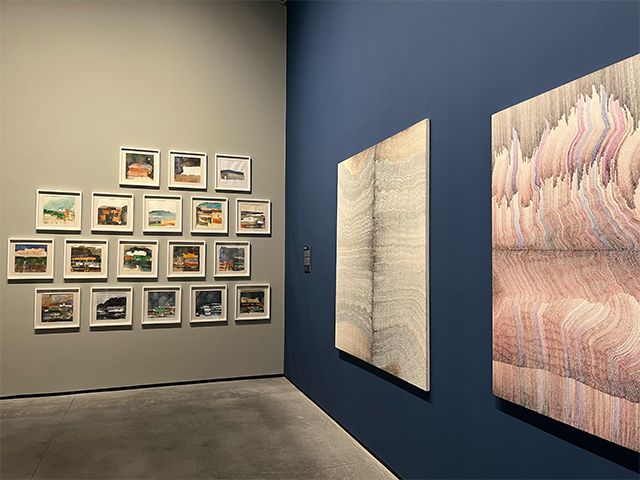
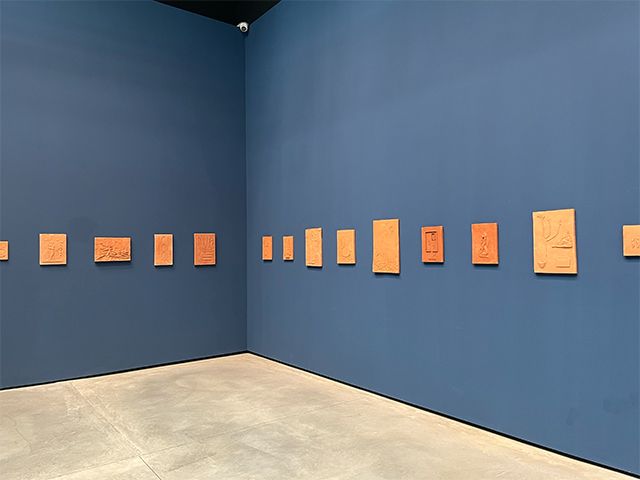
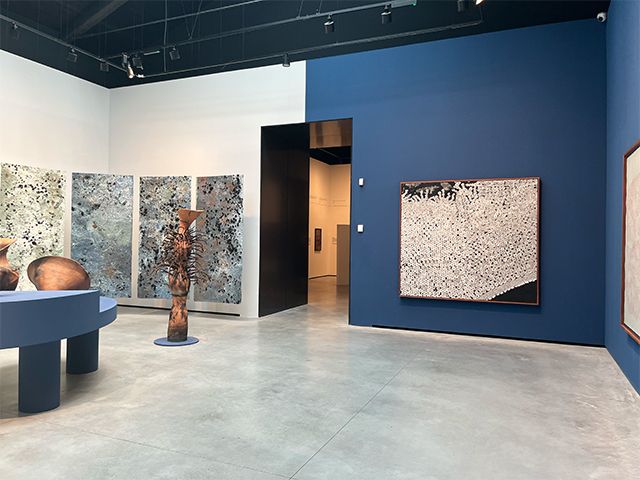
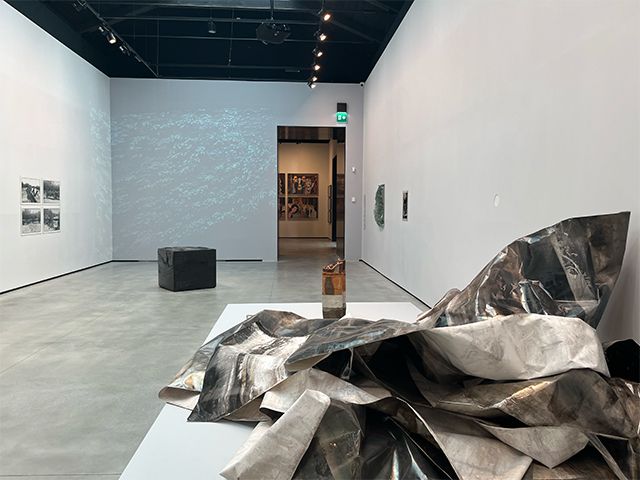
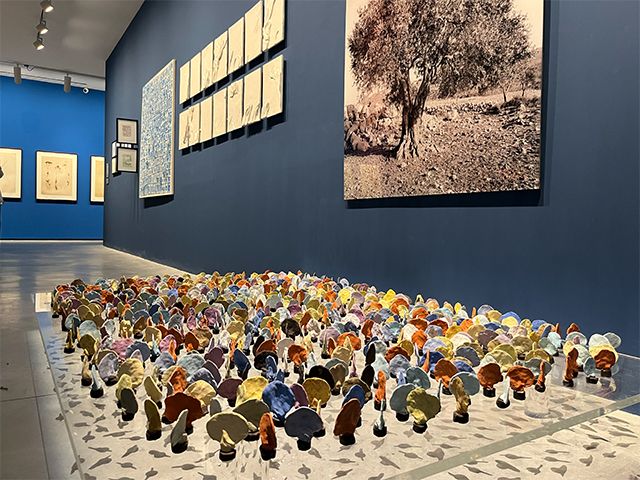
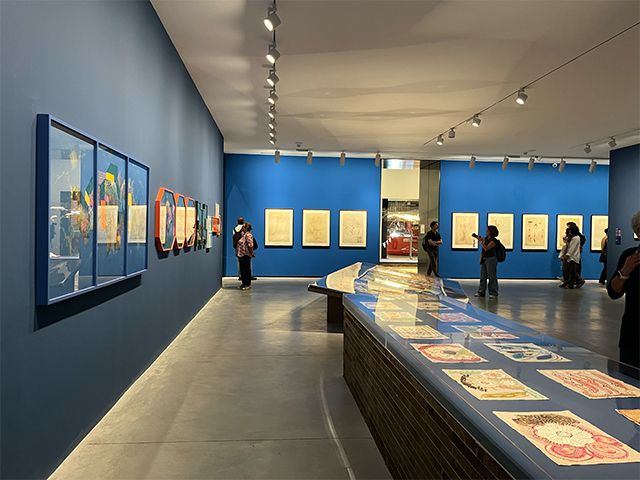
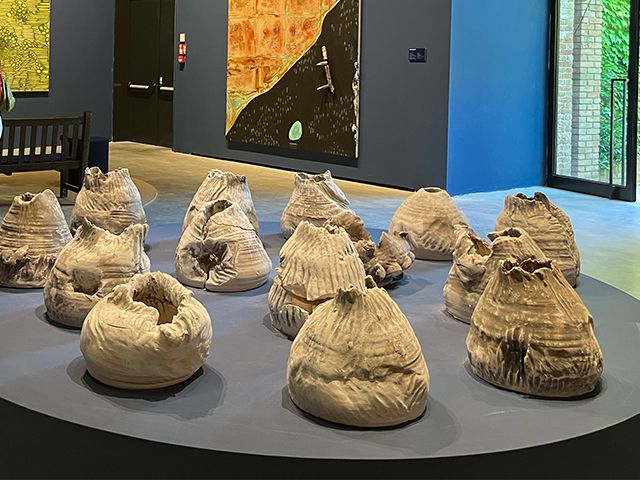
These best artists in the Central Pavilion at the Venice Biennale 2026 complete an exhibition that brings individual and collective experiences into dialogue, demonstrating how contemporary art can move beyond geographical and cultural boundaries.
Final Thoughts on the Central Pavilion Venice Biennale 2026
The Central Pavilion Venice Biennale 2026 is the spatial and curatorial nucleus of this international exhibition. It is where Koyo Kouoh's vision-realized with full support by her family and her team of advisors-is most legible as a landscape of culture, history, and construction of meaning. Engaging deeply with a handful of artists here can offer a richer experience than rushing through every room across all pavilions and exhibitions.
The renovated Central Pavilion reflects decades of architectural accumulation. Carlo Scarpa collaborated with La Biennale from 1948 to 1972, and his interventions remain part of the building's DNA. The 2026 renovation, completed over 16 months by Labics and collaborators including Milan Ingegneria, aimed for LEED Gold certification and integrated sustainable systems. New skylights, restored service spaces, and a reimagined Palazzo Pro Arte layout all serve the art with spatial clarity. The exhibition design by Wolff Architects-featuring indigo drapes, softened lighting, and the absence of complete blackout in favor of natural atmospheres-supports the "In Minor Keys" themes at every threshold.
Whether you have one hour or a full day, the Central Pavilion rewards visitors who slow down, look closely, and let the architecture guide their attention from shrine to procession to rest. Pick up the exhibition catalogue sections dedicated to these artists for extended insight, and stay focused on this singular building before branching out to the national participations or regions selected for other venues across Venice and Italy. The construction of meaning here is quiet, deliberate, and generous-exactly what Kouoh intended.
Follow us Venice Insider Guide!
- The photos of the artists Central Pavilion Venice Biennale 2026 in this article are the property of Venice Insider Guide.